
Get Handicap Ramp Installation in Denver, CO
Handicap ramp installation services help property owners in Denver, CO, and nearby areas by providing accessible ramps for wheelchair users, helping with mobility challenges and compliance.
Handicap ramp installation services provide property owners in Denver, CO with practical solutions to improve accessibility and ease of movement. These ramps enhance the functionality of residential and commercial spaces by allowing individuals with mobility challenges to navigate entrances comfortably and independently. Installing a well-designed ramp can significantly increase safety by reducing the risk of falls or accidents, and it offers a smoother transition between levels, making daily routines more manageable for those with limited mobility.
Beyond safety and convenience, handicap ramps also contribute to the overall curb appeal and durability of a property. High-quality installations are built to withstand Denver’s weather conditions, ensuring long-lasting performance with minimal maintenance. An attractive, professionally installed ramp can seamlessly blend with existing architecture, boosting the property's aesthetic appeal while providing a reliable, durable solution that requires less frequent repairs or adjustments over time.
- Residential properties - individuals may need handicap ramp installation to improve access to their homes for mobility-challenged family members.
- Commercial buildings - businesses seeking to comply with accessibility standards often require handicap ramps for customer and employee access.
- Public facilities - government or community centers may need ramps to ensure inclusive access for all visitors.
- Multi-level residences - homeowners with multiple floors might install ramps to facilitate easier movement between levels for wheelchair users.
- Event venues - organizers may need portable or permanent ramps to accommodate guests with mobility impairments.
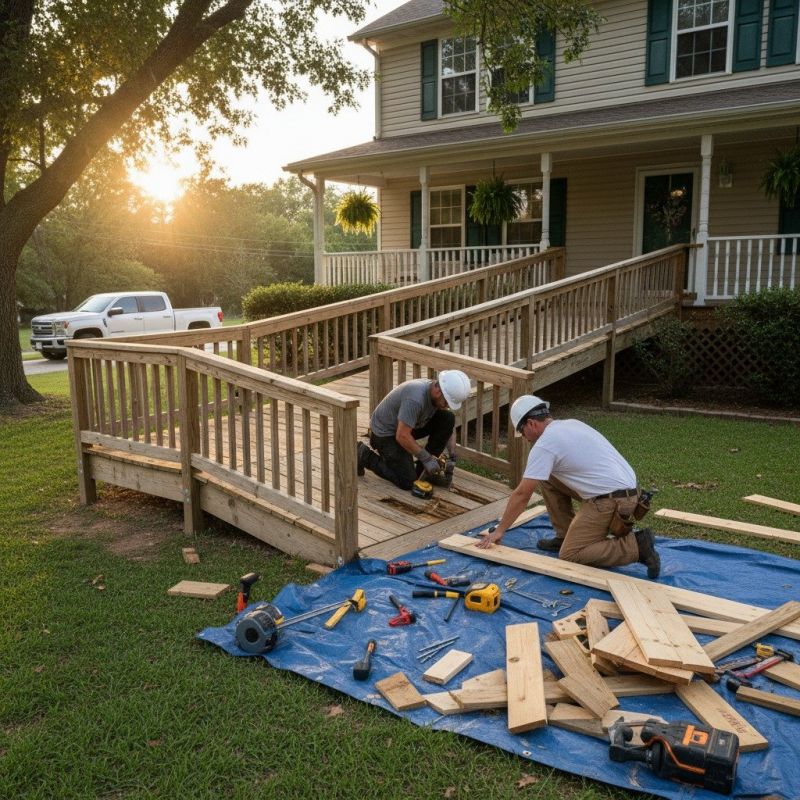
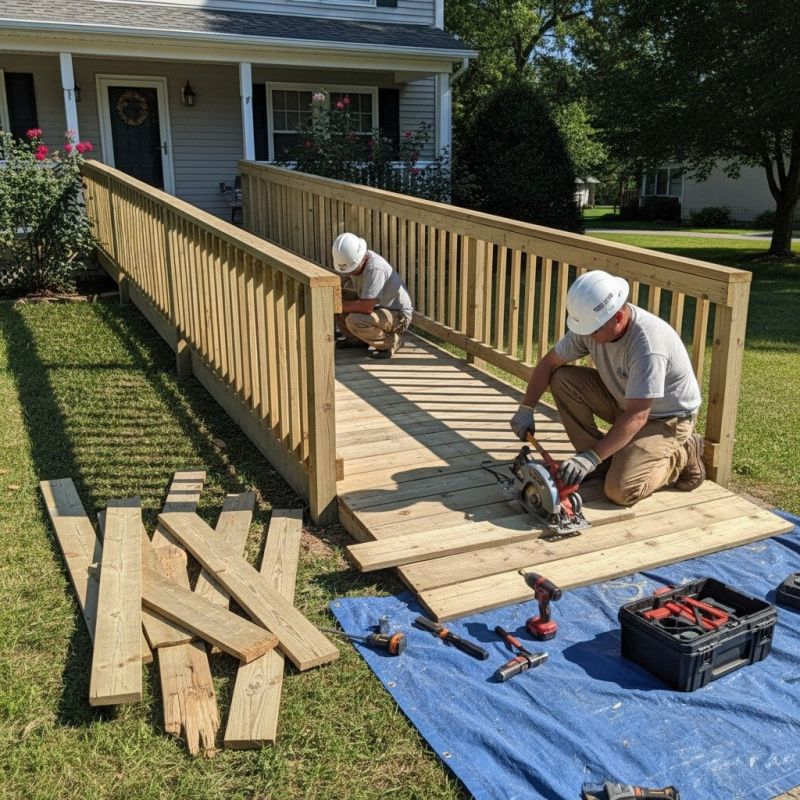
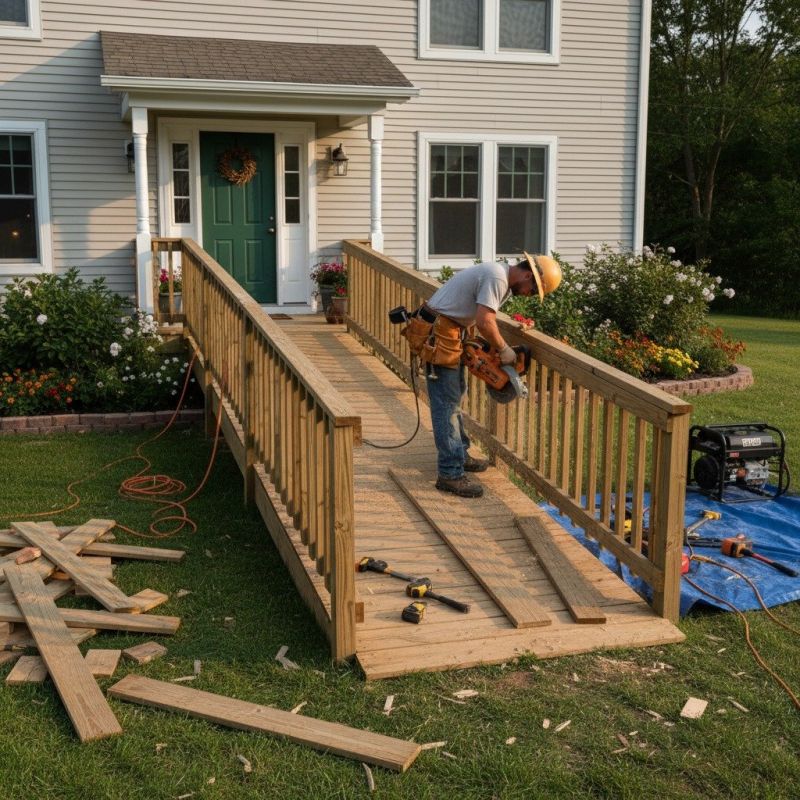
Handicap ramp installation services involve the design, construction, and placement of ramps that provide accessible entry points for individuals with mobility challenges. These ramps are tailored to meet specific needs, ensuring smooth and safe transitions between different levels of a property. Professionals typically assess the site to determine the appropriate ramp type, dimensions, and materials, ensuring compliance with accessibility standards and safety guidelines. The goal is to create a functional and durable solution that seamlessly integrates with the existing property layout.
This service addresses common problems faced by individuals with mobility impairments, such as difficulty navigating stairs or uneven surfaces. Installing a handicap ramp can significantly improve independence by enabling easier access to homes, commercial buildings, and public spaces. It also reduces the risk of falls and injuries associated with steps or abrupt changes in elevation. For property owners, installing a ramp can enhance safety, meet accessibility requirements, and promote inclusivity for visitors or residents with mobility needs.
Various types of properties utilize handicap ramp installation services, including private residences, apartment complexes, healthcare facilities, and retail establishments. Residential properties often require ramps to accommodate wheelchair users, seniors, or those with temporary disabilities. Commercial properties, such as office buildings or stores, may need ramps to comply with accessibility regulations and serve customers or employees with mobility challenges. Public spaces and government buildings frequently implement ramps to ensure accessibility for all visitors, reflecting legal requirements and community inclusivity.
Professional service providers typically offer a range of ramp options to suit different property types and user needs. Materials used can include aluminum, wood, concrete, or composite, depending on durability, aesthetics, and budget considerations. The installation process involves careful planning to ensure the ramp’s slope, width, and surface are suitable for safe use. By working with experienced local contractors, property owners can ensure that the handicap ramp is installed correctly and functions effectively, providing long-term accessibility solutions tailored to specific property requirements.
The overview below groups typical Handicap Ramp Installation projects into broad ranges so you can see how smaller, mid-sized, and larger jobs often compare in Denver, CO.
In many markets, a large share of routine jobs stays in the lower and middle ranges, while only a smaller percentage of projects moves into the highest bands when the work is more complex or site conditions are harder than average.
Material and Design Costs - The cost for handicap ramp installation varies based on materials and design complexity, typically ranging from $1,000 to $3,500. Basic aluminum ramps tend to be on the lower end, while custom wood or steel options may cost more. Local contractors can provide detailed quotes based on specific needs.
Length and Size of Ramp - The overall length and size of the ramp significantly influence the price, with shorter ramps costing around $1,000 to $2,500. Longer or wider ramps, especially those requiring landings, can increase costs to $4,000 or more. Service providers can assess space and provide accurate estimates.
Site Preparation and Installation - Site conditions such as uneven terrain or existing landscaping can affect installation costs, which typically range from $500 to $2,000. Additional work like grading or foundation preparation may be needed, impacting the total price. Local pros evaluate site-specific requirements during consultations.
Permitting and Regulations - Costs related to permits and compliance with local building codes usually add $200 to $800 to the overall expense. Some areas require inspections or specific documentation, which pros can help facilitate. Budgeting for these fees ensures smooth project approval processes.
Actual totals will depend on details like access to the work area, the scope of the project, and the materials selected, so use these as general starting points rather than exact figures.
Wheelchair Ramp Installation - Local contractors can assist with the design and installation of wheelchair ramps to improve accessibility for individuals with mobility challenges.
Slope and Threshold Ramps - Professionals provide services to install ramps that help navigate steps and thresholds, making entrances more accessible.
Commercial Handicap Ramp Services - Commercial property specialists can install ramps that meet accessibility standards for businesses and public facilities.
Residential Accessibility Ramps - Service providers offer custom ramp solutions to enhance mobility and independence in homes for residents with disabilities.
Portable and Temporary Ramp Installations - Local pros can set up portable ramps suitable for events or temporary needs, ensuring easy access when required.
ADA Compliant Ramp Solutions - Contractors can help ensure ramps meet ADA guidelines for safety and accessibility in various settings.
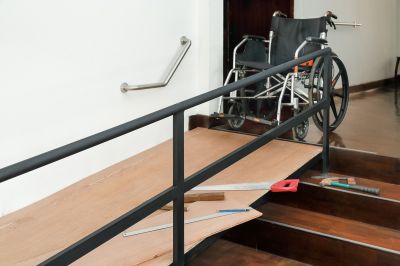
When selecting a professional for handicap ramp installation, it’s important to consider their experience with similar projects. Homeowners should inquire about how long a contractor has been working in the field and whether they have completed projects comparable to their needs. Experienced providers are more likely to understand the specific requirements for accessibility and safety standards, ensuring a smoother installation process and a durable result.
Clear communication and well-defined expectations are crucial when working with local service providers. Homeowners should seek contractors who are transparent about their process, provide detailed descriptions of the work involved, and establish mutual understanding of project scope. This helps prevent misunderstandings and ensures that the project aligns with the homeowner’s needs and preferences.
Reputable references and reviews can offer valuable insights into a contractor’s reliability and quality of work. Homeowners are encouraged to ask for references or look for feedback from previous clients in the local area. Reliable providers tend to have a history of satisfied customers, which can help build confidence in their ability to deliver a professional and satisfactory handicap ramp installation. Remember, this resource introduces local options but does not perform the work itself.
Property owners in Denver, CO use Handicap Ramp Installation services for practical projects around their homes and businesses. The sections below highlight everyday jobs and straightforward project options.
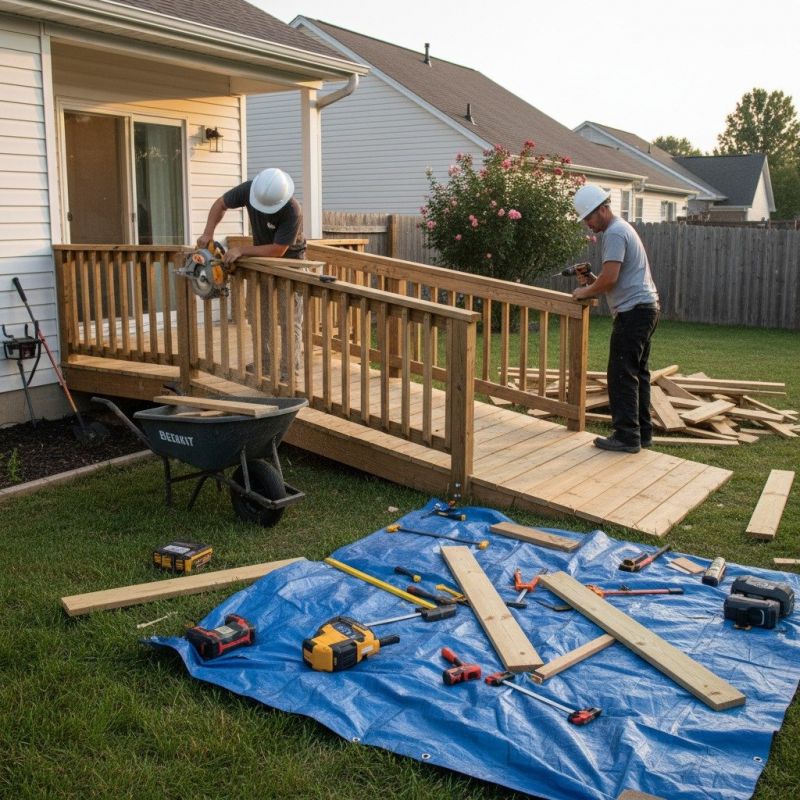
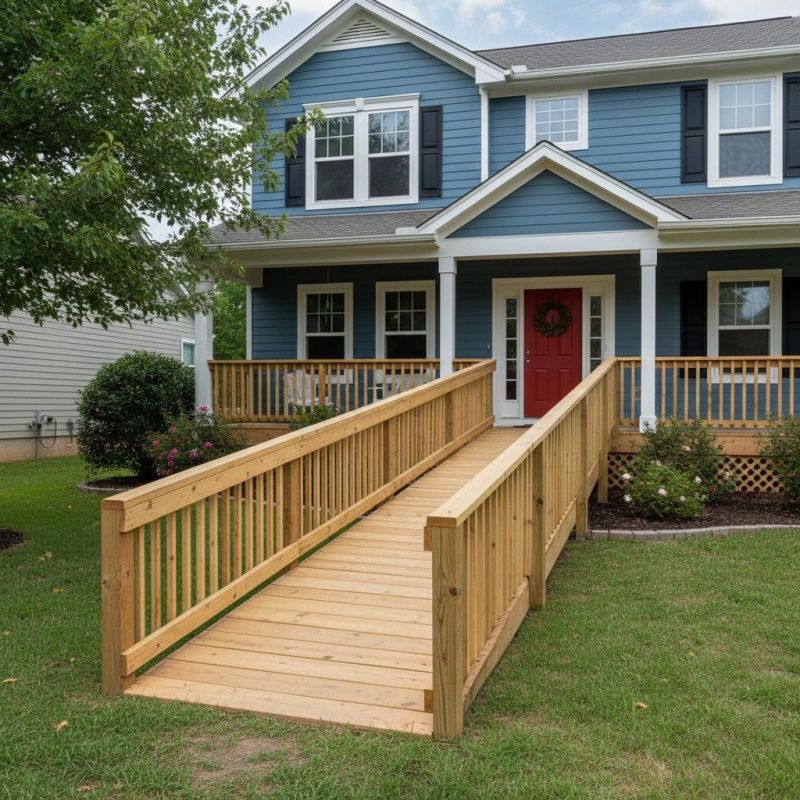
Handicap ramp installation services are often sought by property owners in Denver, CO, who want to improve accessibility for individuals with mobility challenges. Whether accommodating a new resident, making a home more navigable for visitors, or ensuring compliance with accessibility standards, installing a ramp can provide a practical solution for many everyday situations. Local service providers can assist with selecting appropriate ramp designs and ensuring proper installation to meet individual needs, making entry and exit safer and more convenient.
Additionally, property owners may look for handicap ramp installation when planning modifications to commercial or public spaces, such as storefronts, offices, or community centers in Denver. Making these spaces accessible can help meet legal requirements and foster inclusive environments for employees, customers, or visitors. Professional contractors can evaluate existing structures and recommend suitable ramp options to enhance accessibility while complementing the property’s overall appearance.
What types of handicap ramps are available for installation? There are various options including modular, portable, and custom-built ramps to suit different accessibility needs and property types.
How long does a typical handicap ramp installation take? Installation times can vary depending on the type and complexity of the ramp, but many projects are completed within a few hours to a day.
What factors influence the cost of handicap ramp installation? Costs are influenced by the ramp's size, materials used, site conditions, and any additional features or modifications required.
Are there any building codes or regulations to consider for handicap ramps? Local building codes and accessibility standards may apply; it’s recommended to consult with local service providers to ensure compliance.
How can I find local professionals for handicap ramp installation? Contacting local contractors or service providers specializing in accessibility modifications can help find qualified professionals in the Denver area.
Handicap Ramp Design and Planning - Professionals can assess property layouts to develop accessible ramp solutions tailored to individual needs.
Material Selection Advice - Local service providers offer guidance on durable, slip-resistant materials suitable for various environments.
Permitting and Code Compliance - Contractors can assist with understanding local building codes and obtaining necessary permits for ramp installation.
Accessibility Consultation - Experts evaluate entryways to recommend optimal ramp configurations that enhance safety and usability.
Considering Handicap Ramp Installation for a property in Denver, CO? The sections above highlight common project types, practical options, and details that often shape the scope of work.
When you are ready, use the quote form to share a few details about your project. Local pros can review the basics and respond with options that match what you have in mind.